
The oil and gas industry depends on pipelines to transport crude oil, natural gas, refined products, and other hydrocarbons safely and efficiently. These pipelines often operate under high pressure and challenging environmental conditions, making safety, reliability, and maintenance critical priorities.
Routine inspections, pigging operations, filter replacements, and equipment maintenance require frequent access to pressurized systems. Traditionally, accessing these systems involved removing multiple bolts from heavy flanged connections. A process that could take hours and increase operational downtime.
To address these challenges, the industry increasingly relies on quick opening closure for oil and gas pipelines solutions. These specialized closure systems provide safe, rapid access to pressure vessels, pig launchers, receivers, and filtration equipment while maintaining the highest safety standards.
Today, quick opening closures have become an essential part of modern pipeline safety equipment, helping operators improve efficiency, reduce maintenance time, and enhance workplace safety.
In this blog, we will explore why quick opening closures are important, how they work, and the benefits they provide across oil and gas operations.
What Is a Quick Opening Closure?
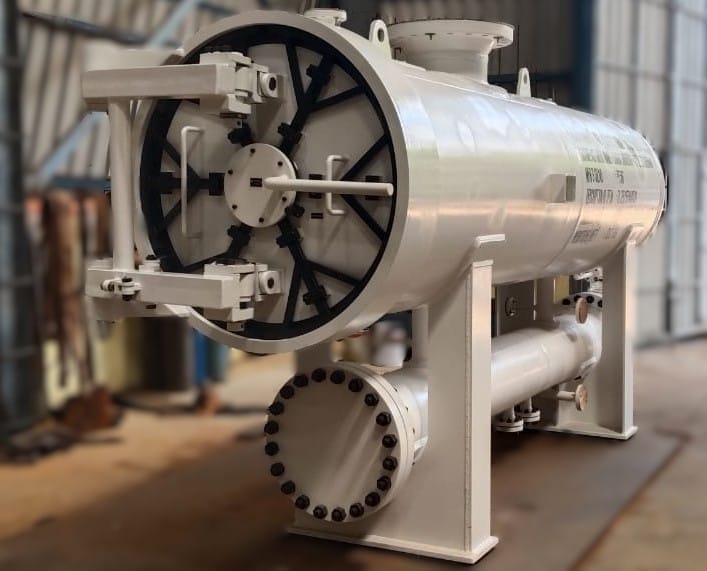
A quick opening closure (QOC) is a mechanical device that is designed to provide fast and safe access to pressurized equipment without the need for extensive bolting or manual disassembly.
These closures are commonly installed on:
- Pig launchers
- Pig receivers
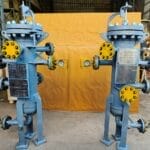
- Filter separators
- Pressure vessels
- Scraper traps
- Gas processing equipment
Unlike traditional bolted flanges, quick opening closures use specialized locking mechanisms that allow operators to open and close access points in a fraction of the time.
A properly designed quick opening closure for oil and gas pipelines also incorporates safety features that prevent accidental opening while pressure remains inside the system.
The Importance of Access in Pipeline Operations
Pipeline systems require regular maintenance and inspection throughout their operating life. Common maintenance activities include:
- Pig launching and retrieval
- Internal inspections
- Filter replacement
- Cleaning operations
- Corrosion monitoring
- Equipment servicing
Without efficient access systems, these activities can become time-consuming and expensive. The ability to access pipeline equipment quickly and safely directly impacts:
- Maintenance schedules
- Operational uptime
- Labor requirements
- Overall productivity
Why Traditional Flanged Closures Create Challenges
Before quick opening closures became common, operators relied primarily on bolted flanges. Although effective, bolted systems present several disadvantages.
Long Maintenance Times: Large flanges may contain dozens of bolts that must be loosened and tightened individually. This process can take several hours.
Increased Labor Requirements: Opening and closing bolted systems often require multiple technicians and specialized tools.
Higher Downtime: Extended maintenance procedures can delay operations and affect productivity.
Safety Risks: Improper bolt tightening or uneven gasket compression can create sealing issues and safety concerns.
These challenges led to the development of modern quick opening closure systems.
How Quick Opening Closures Work
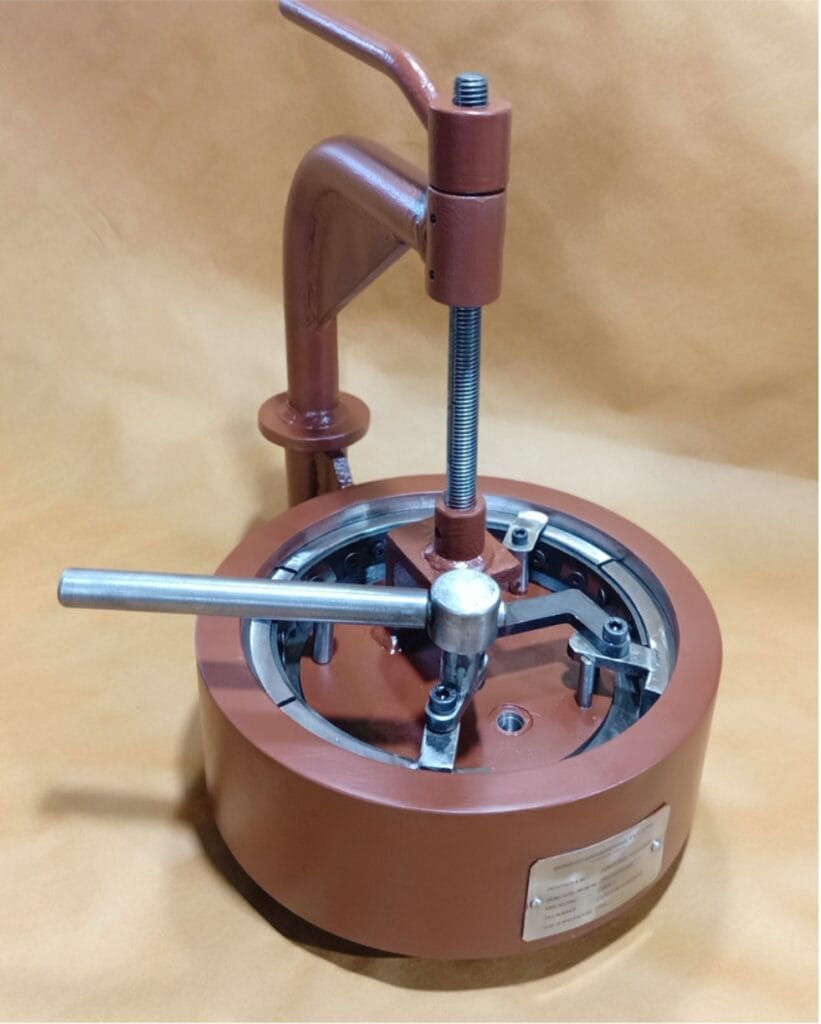
While designs vary, most quick opening closures follow a similar operating principle.
- System Depressurization: Before opening, the equipment is isolated and depressurized. Built-in safety mechanisms ensure pressure is released completely.
- Unlocking the Closure: The locking mechanism is disengaged using a manual or automated system.
- Opening the Door: The closure door swings open using a hinge arrangement.
- Maintenance Access: Operators perform inspections, pigging, or maintenance tasks.
- Closing and Re-Locking: The closure is repositioned and secured before the system is returned to service.
This streamlined process significantly reduces maintenance time compared to traditional flange systems.
Key Benefits of Quick Opening Closures
1. Reduced Maintenance Downtime: One of the biggest advantages of a quick opening closure for oil and gas pipelines is the reduction in downtime. Maintenance tasks that once required hours can often be completed much faster.
This allows facilities to:
- Return equipment to service sooner
- Improve operational efficiency
- Minimize production interruptions
In high-volume pipeline operations, these time savings can translate into significant financial benefits.
2. Enhanced Worker Safety: Safety is a top priority in oil and gas operations. Modern quick opening closures incorporate features such as:
- Mechanical safety interlocks
- Pressure warning systems
- Controlled venting mechanisms
- Locking indicators
These features prevent accidental opening under pressure. As a result, quick opening closures have become an important category of pipeline safety equipment.
3. Improved Pigging Operations:
Pipeline pigs are used for:
- Cleaning
- Inspection
- Product separation
- Flow assurance
Pig launchers and receivers require frequent access. Quick opening closures simplify pig insertion and removal, making pigging operations more efficient and safer. This is one of the primary reasons they are widely used in transmission pipelines.
4. Better Equipment Accessibility
Many pressure vessels and filtration systems require regular servicing. Quick opening closures provide:
- Faster entry
- Easier access
- Reduced maintenance complexity
This improves overall maintenance efficiency and encourages more consistent inspection practices.
5. Lower Labor Costs
Because quick opening closures eliminate the need for extensive bolt removal, fewer personnel are required during maintenance activities. This reduces:
- Labor hours
- Tool requirements
- Maintenance costs
Over the lifespan of the equipment, these savings can be substantial.
6. Reliable Pressure Sealing
Modern closures are engineered to provide secure sealing under demanding operating conditions. They are designed to withstand:
- High pressure
- Temperature fluctuations
- Cyclic loading
This reliability is critical in oil and gas applications where containment integrity is essential.
Types of Quick Opening Closures Used in Pipelines
Several closure designs are commonly used.
- Bandlock Closures: Bandlock systems use a locking ring that secures the closure door quickly and efficiently. These are among the most widely used designs in the industry.
- Clamp Ring Closures: Clamp mechanisms provide rapid locking and unlocking while maintaining pressure integrity.
- Key-Lock Closures: These closures use segmented locking elements to secure the closure under pressure.
- Automated Quick Opening: Advanced systems use hydraulic or pneumatic actuators to automate operation.
Automation further reduces maintenance effort and improves safety.
Applications in Oil and Gas Pipelines
Quick opening closures are used throughout the oil and gas value chain.
- Transmission Pipelines: Provide access for pigging and inspection operations.
- Gas Processing Facilities: Allow maintenance of filter separators and process vessels.
- Refineries: Support cleaning and servicing of pressure equipment.
- Compressor Stations: Enable access to filtration and fuel gas systems.
- Storage Terminals: Assist with inspection and maintenance activities.
In all these applications, quick opening closures contribute to operational efficiency and safety.
Why Pipeline Safety Equipment Is More Important Than Ever
Pipeline operators face increasing pressure to:
- Improve safety performance
- Reduce environmental risks
- Increase operational reliability
- Minimize downtime
Modern pipeline safety equipment plays a critical role in achieving these goals. Quick opening closures help by:
- Preventing accidental exposure to pressure
- Supporting safer maintenance procedures
- Reducing human error
- Improving equipment accessibility
As safety regulations continue to evolve, advanced closure systems are becoming standard practice across the industry.
Maintenance Considerations
Although quick opening closures simplify operations, regular maintenance remains important. Best practices include:
- Inspecting seals and gaskets
- Verifying interlock functionality
- Checking hinge mechanisms
- Lubricating moving components
- Inspecting locking systems
Routine inspections help ensure reliable long-term performance.
Frequently Asked Questions
Q 1. What is a quick opening closure for oil & gas pipelines?
A quick opening closure is a mechanical access system that allows operators to open and close pressure vessels and pipeline equipment quickly while maintaining safety.
Q 2. Why are quick opening closures used in pipelines?
They reduce maintenance time, improve safety, simplify pigging operations, and provide faster access to equipment.
Q 3. Are quick opening closures considered pipeline safety equipment?
Yes. Their safety interlocks, pressure warning systems, and secure locking mechanisms make them an important part of modern pipeline safety equipment.
Q 4. Where are quick opening closures commonly installed?
They are used on pig launchers, pig receivers, filter separators, pressure vessels, and gas processing equipment.
Q 5. How do quick opening closures improve maintenance efficiency?
They eliminate the need for extensive bolt removal, allowing faster access and reducing operational downtime.