
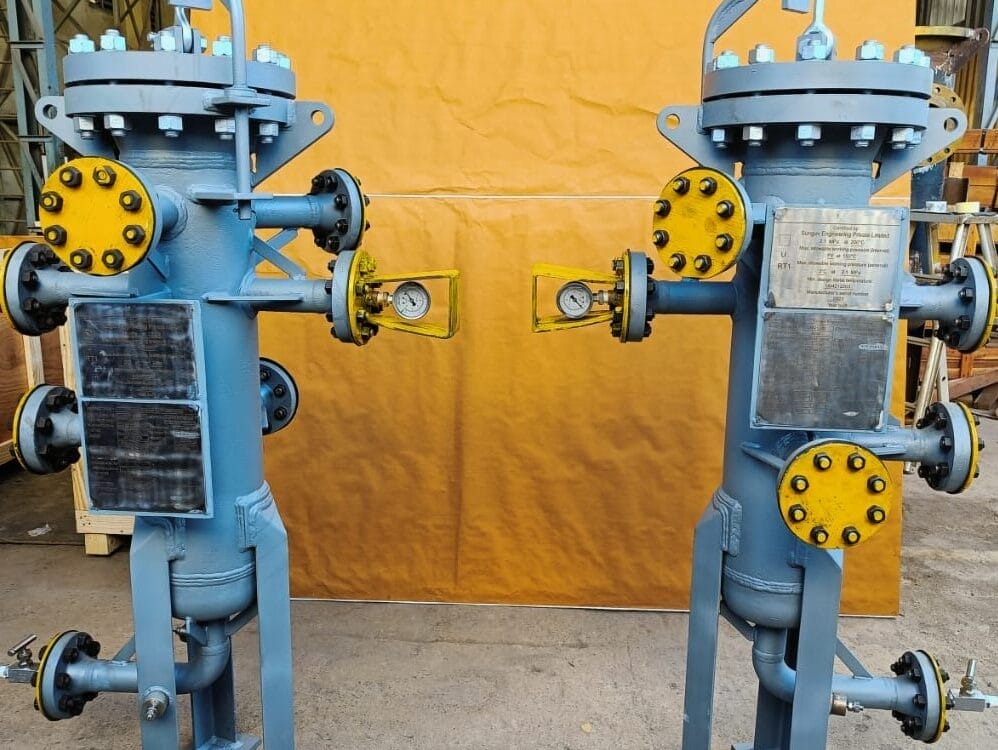
Fuel quality plays a critical role in the performance, efficiency, and lifespan of industrial equipment. Whether it is a diesel generator, fuel transfer system, engine, turbine, or processing equipment, the quality of fuel directly affects reliability and operating costs. Even small amounts of contamination can lead to clogged injectors, increased wear, reduced combustion efficiency, and unexpected downtime.
This is why filtration has become an essential part of modern fuel handling systems. Among the various filtration technologies available today, liquid cartridge filters are widely recognized for their ability to remove contaminants and to maintain fuel cleanliness.
From storage tanks to dispensing systems, these filters help ensure that fuel reaches critical equipment in the cleanest possible condition. In applications involving diesel, they often work alongside or as part of advanced diesel fuel filters to protect engines and fuel systems from harmful contamination.
In this blog, we’ll explore how liquid cartridge filters work, why fuel quality matters, and the role these filtration systems play in improving overall operational performance.
Why Fuel Quality Matters
Fuel may appear clean, but it often contains contaminants that can negatively impact equipment performance. Some of the common fuel contaminants include:
- Dust and dirt particles
- Rust from storage tanks
- Metal fragments
- Water contamination
- Microbial growth
- Sediment deposits
- Oxidation byproducts
These contaminants can enter fuel at multiple stages, including:
- Transportation
- Storage
- Fuel transfer operations
- Refueling processes
If left untreated, contaminated fuel can damage sensitive components and increase maintenance costs significantly.
The Hidden Cost of Contaminated Fuel
The root cause for many equipment failures is attributed to mechanical issues but it may begin with poor fuel quality. Contaminated fuel can cause:
- Injector Damage: Modern fuel injectors operate with extremely tight tolerance. Even microscopic particles can lead to wear and reduced performance.
- Pump Wear: Fuel pumps rely on clean fuel for lubrication and smooth operation. Abrasive contaminants can shorten pump life.
- Reduced Combustion Efficiency: Contaminants affect fuel atomization and combustion, reducing efficiency and increasing emissions.
- Increased Downtime: Unexpected maintenance and repairs can interrupt operations and impact productivity.
For industries where uptime is critical, fuel cleanliness becomes a key operational priority.
What Are Liquid Cartridge Filters?
Liquid cartridge filters are filtration devices that use replaceable filter elements, known as cartridges, to remove contaminants from liquid streams. These filters are installed within a housing through which fuel flows. As fuel passes through the cartridge:
- Sediment is retained
- Certain cartridges can help separate water
- Clean fuel exits the system
The cartridge acts as the filtration medium and can be replaced when it becomes saturated with contaminants. Because of their efficiency and versatility, liquid cartridge filters are commonly used in fuel storage, transfer, and distribution systems.
How Liquid Cartridge Filters Work
The filtration process is relatively straightforward but highly effective.
Step 1: Fuel Enters the Filter Housing: Contaminated fuel enters the filter vessel under pressure.
Step 2: Fuel Passes Through the Cartridge: The fuel flows through specialized filter media designed to trap contaminants.
Depending on the cartridge design, the filter may capture:
- Large particles
- Fine particles
- Water droplets
- Organic contaminants
Step 3: Clean Fuel Exits: After filtration, clean fuel leaves the housing and continues to downstream equipment.
Step 4: Cartridge Replacement: As contaminants accumulate, pressure drop increases. The cartridge is then replaced to restore optimal performance.
This simple process provides a highly effective barrier against fuel contamination.
Benefits of Using Liquid Cartridge Filters
The primary benefit of using liquid cartridge filters is cleaner fuel.
Cleaner fuel contributes to:
- Better combustion
- Reduced emissions
- Improved engine performance
- Longer Equipment Life
- Contaminants accelerate wear on critical components.
By removing these particles, filters help extend the life of:
- Fuel pumps
- Injectors
- Valves
- Flow meters
Reduced Maintenance Costs
Cleaner fuel results in fewer repairs and lower maintenance expenses. Organizations often see significant savings through preventive filtration.
Effective filtration reduces the risk of:
- Clogged injectors
- Pump failures
- Fuel system blockages
- Better Operational Efficiency
Equipment operating with clean fuel generally performs more efficiently and consistently.
Applications of Liquid Cartridge Filters
Liquid cartridge filters are used across numerous industries.
- Power Generation: Generators require clean fuel to operate reliably during both routine and emergency conditions.
- Oil and Gas: Fuel handling and transfer systems rely heavily on filtration.
- Manufacturing: Industrial boilers, burners, and engines benefit from cleaner fuel supplies.
- Transportation: Fuel distribution networks use filtration to maintain fuel quality before delivery.
- Marine Operations: Marine engines require effective filtration due to the challenges associated with onboard fuel storage.
Choosing the Right Liquid Cartridge Filter
Not all filtration systems are the same. Several factors should be considered when selecting a cartridge filter.
- Micron Rating: The micron rating determines the size of particles the filter can remove. Smaller micron ratings provide finer filtration.
- Flow Rate: The filter must accommodate the required fuel flow without excessive pressure drop.
- Fuel Type: Different fuels may require different filter media.
Examples include:
- Diesel
- Biodiesel
- Fuel oil
- Kerosene
- Contamination Levels
The expected contaminant load influences cartridge selection and replacement intervals.
Maintenance Best Practices
- Monitor differential pressure to maximize filtration performance
- Replace cartridges on schedule
- Inspect filter housings
- Check for water accumulation
Frequently Asked Questions
Q 1. What are liquid cartridge filters?
Liquid cartridge filters are filtration systems that use replaceable cartridges to remove contaminants from liquids such as fuel, oil, and water.
Q 2. How do liquid cartridge filters improve fuel quality?
They remove particles, sediment, rust, water, and other contaminants that can affect fuel performance and equipment reliability.
Q 3. Why are diesel fuel filters important?
Diesel fuel filters protect fuel injectors, pumps, and engines by removing contaminants and separating water from diesel fuel.
Q 4. Can liquid cartridge filters remove water from fuel?
Certain cartridge designs are specifically engineered to capture and separate water from fuel streams.
Q 5. How often should fuel filter cartridges be replaced?
Replacement intervals depend on fuel quality, flow rate, and contamination levels, but regular monitoring of pressure drop helps determine the correct schedule.
Meta Boxes
Use up and down arrow keys to resize the meta box pane.