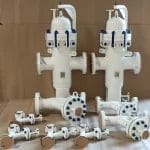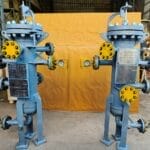
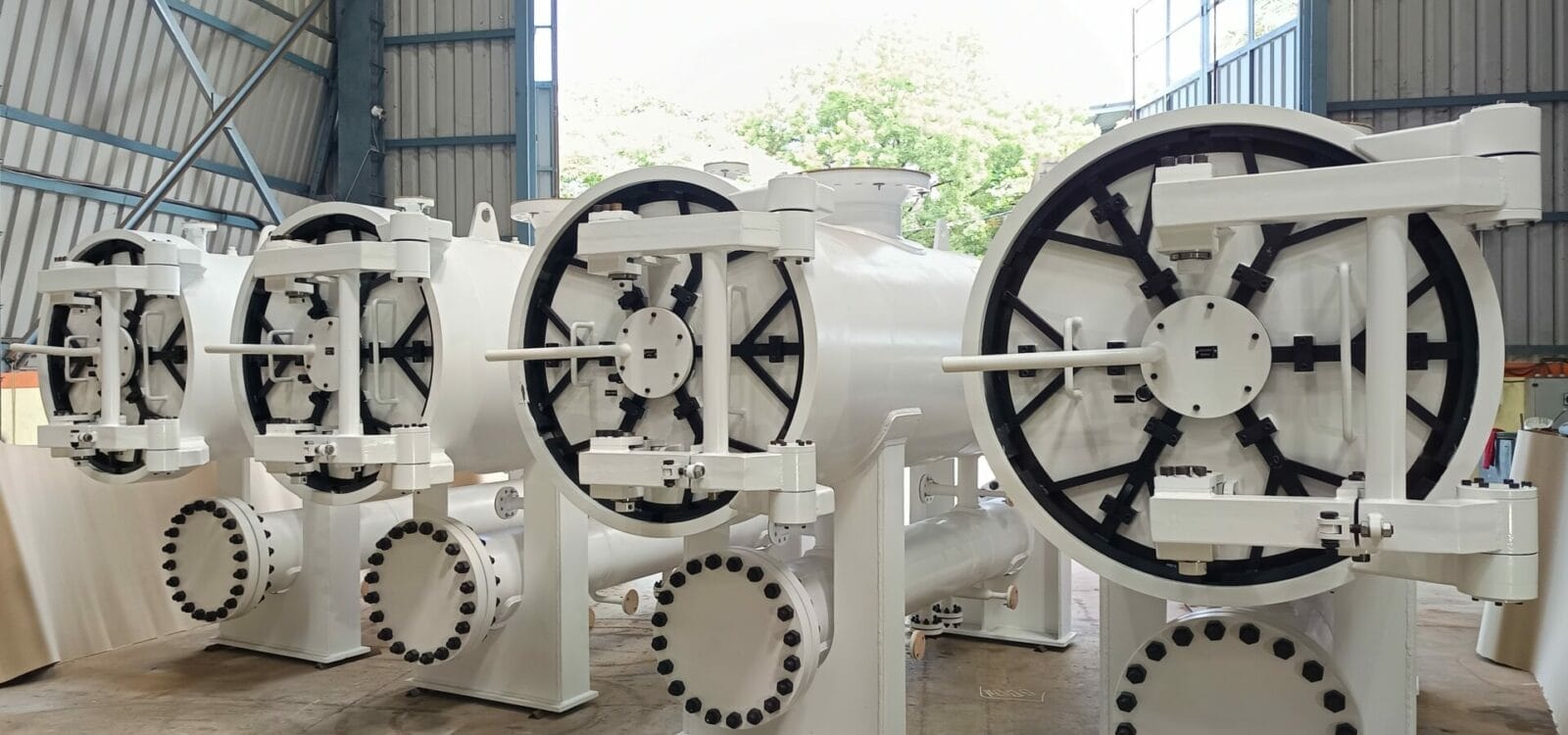
In natural gas processing systems, it is very important to maintain clean and dry gas. This is mainly because this gas affects downstream equipment and having clean gas ensures operational efficiency. Gas streams often contain contaminants such as dust, liquid droplets, rust particles, and aerosols that can damage turbines, compressors, valves, and instrumentation if not removed properly. This is where a filter separator becomes important.
However, selecting the right filter separator is not just about choosing a vessel. It is about sizing it correctly. An undersized separator may lead to pressure drop issues and poor filtration efficiency, while an oversized system can increase unnecessary capital and operational costs.
Whether you are evaluating a vertical filter separator, a horizontal filter separator, or a complete filter separator skid, understanding the basics of sizing is essential for reliable performance.
This guide explains the key factors that are involved in sizing a natural gas filter separator in a simple and practical way.
What Is a Natural Gas Filter Separator?
A filter separator is a pressure vessel that is designed to remove both solid particles and liquid contaminants from natural gas streams. It combines two functions in a single unit:
- Filtration of solid particles
- Separation of liquid droplets
These systems are widely used in:
- Natural gas pipelines
- Gas conditioning systems
- Fuel gas systems
- Compressor stations
- Power plants
Why Proper Sizing Matters
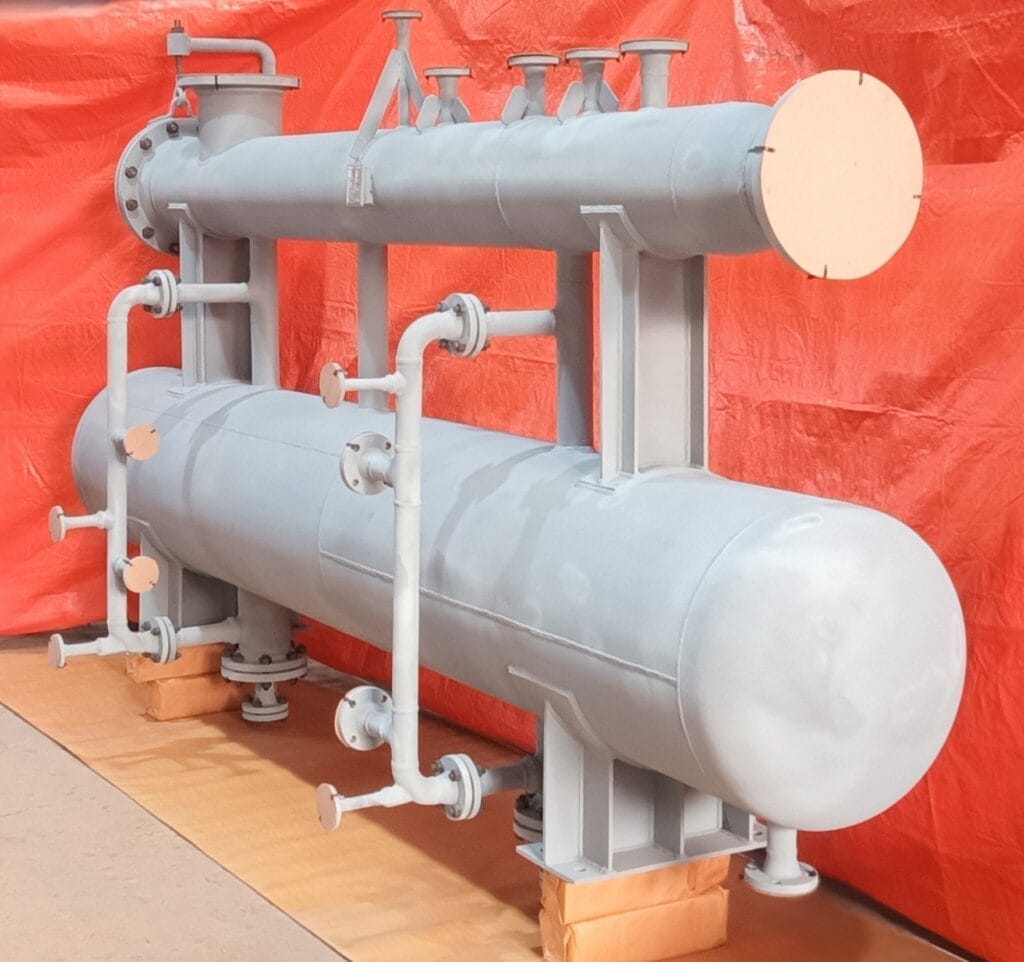
Sizing directly affects separator performance. If the separator is too small:
- Gas velocity becomes too high
- Liquid carryover may occur
- Filter elements may clog faster
- Pressure drop increases
If the separator is too large:
- Equipment cost increases
- Footprint requirements become larger
- Operational efficiency may decrease
Therefore proper sizing is very important for:
- Efficient filtration
- Stable pressure conditions
- Long filter life
- Reliable operation
This becomes vital when designing a complete filter separator skid for industrial applications.
Key Factors in Sizing a Natural Gas Filter Separator
Several engineering parameters must be evaluated during sizing.
1. Gas Flow Rate: The first and most important factor is gas flow rate.
Flow rate determines:
- Vessel diameter
- Filter area requirements
- Gas velocity inside the vessel
Gas flow is usually measured in:
- MMSCFD (Million Standard Cubic Feet per Day)
- Nm³/hr
- SCFM
Higher flow rates require larger vessel dimensions to maintain acceptable gas velocities.
2. Operating Pressure: Gas density changes with pressure.
At higher pressures:
- Gas becomes denser
- Lower vessel diameter may be sufficient
At lower pressures:
- Gas volume increases
- Larger separators may be required
Operating pressure significantly affects the sizing calculations for both a vertical filter separator and a horizontal filter separator.
3. Operating Temperature: Temperature impacts gas behavior and liquid condensation.
Lower temperatures may increase:
- Liquid formation
- Condensation rates
This may require:
- Additional liquid handling capacity
- Enhanced separation efficiency
Temperature is also important for selecting filter materials and vessel design conditions.
4. Type and Amount of Contaminants: Sizing depends heavily on what needs to be removed from the gas stream.
Typical contaminants include:
- Dust particles
- Rust
- Liquid hydrocarbons
- Water droplets
- Compressor oil aerosols
Systems handling high liquid loads generally require larger separation sections.
5. Required Filtration Efficiency: Different applications require different cleanliness levels.
For example:
- Fuel gas systems for turbines require very clean gas
- Pipeline app
- locations may tolerate larger particle sizes
The required efficiency determines:
- Filter element selection
- Number of cartridges
- Vessel dimensions
- Vertical vs Horizontal Filter Separator
One of the key decisions during sizing is choosing between a vertical filter separator and a horizontal filter separator. Both designs serve the same purpose but differ in layout and operational advantages.
Vertical Filter Separator
A vertical filter separator has an upright vessel orientation.
Advantages
- Smaller footprint
- Better handling of low-to-moderate liquid loads
- Easier drainage of liquids
- Suitable for offshore or compact installations
- Limitations
- Limited liquid surge capacity
- Maintenance access may require more vertical clearance
Vertical designs are commonly used where floor space is limited.
Horizontal Filter Separator
A horizontal filter separator has a cylindrical vessel mounted horizontally.
Advantages
- Better liquid handling capacity
- Improved gas-liquid separation efficiency
- Easier access for maintenance
- Suitable for high-flow applications
- Limitations
- Requires more installation space
- Larger footprint compared to vertical systems
Horizontal separators are often preferred for applications with high liquid content.
Steps Involved in Sizing a Filter Separator
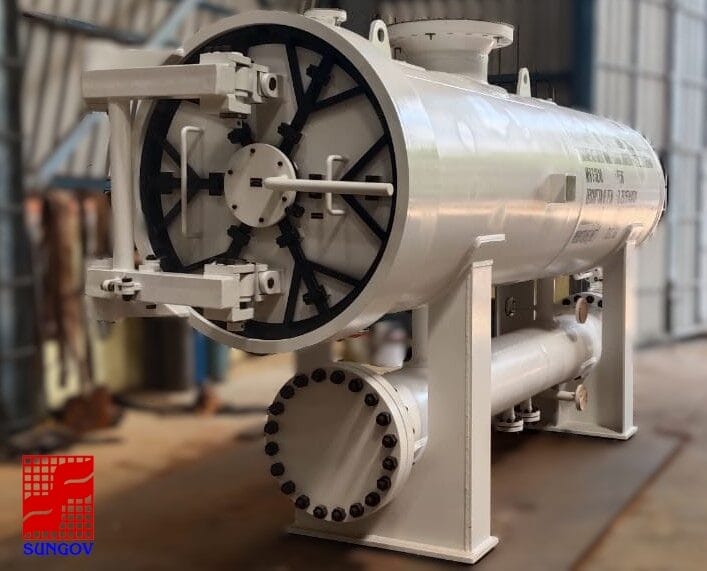
While detailed sizing requires engineering calculations, the general process follows these steps.
Step 1: Gather Process Data
Engineers collect:
- Gas composition
- Flow rate
- Pressure
- Temperature
- Contaminant levels
Accurate process data is essential for proper sizing.
Step 2: Determine Gas Velocity Limits
Gas velocity inside the separator must remain within acceptable limits. Excessive velocity can cause:
- Liquid carryover
- Reduced filtration efficiency
- Damage to filter elements
Velocity calculations help determine vessel diameter.
Step 3: Select Filter Elements
Filter cartridges are selected based on:
- Particle size requirements
- Pressure drop limitations
- Flow handling capacity
The number of cartridges affects vessel dimensions.
Step 4: Size the Separation Section
The separator must provide enough residence time for liquids to separate from the gas stream. This section is especially important in systems with high liquid content.
Step 5: Evaluate Pressure Drop
Pressure drop must remain within operational limits. Excessive pressure drop can:
- Reduce system efficiency
- Increase energy consumption
- Affect downstream equipment performance
- Role of Filter Separator Skids
Modern systems are often delivered as a complete filter separator skid.
A skid-mounted unit integrates:
- Filter separator vessel
- Piping
- Valves
- Instrumentation
- Drain systems
- Structural frame
- Advantages of skid-mounted systems
- Faster installation
- Reduced site fabrication
- Factory testing before delivery
- Easier transportation and commissioning
For large industrial projects, skid-mounted solutions simplify deployment and improve quality control.
Common Mistakes in Filter Separator Sizing
Improper sizing can create operational problems.
- Undersizing The Vessel: Leads to poor separation efficiency and high pressure drop.
- Ignoring Future Flow Increases: Systems should allow some operational flexibility.
- Incorrect Contaminant Assumptions: Underestimating liquid or solid loading affects performance.
- Choosing the Wrong Orientation: A vertical filter separator may not perform efficiently in high liquid-load applications where a horizontal filter separator would be more suitable.
Maintenance Considerations
Sizing also impacts maintenance frequency.
A properly sized system provides:
- Longer filter element life
- Lower maintenance frequency
- Reduced downtime
Well-designed systems also include easy-access features for cartridge replacement and vessel cleaning.
Frequently Asked Questions
Q 1. What is a natural gas filter separator?
A filter separator removes solid particles and liquid contaminants from natural gas streams to protect downstream equipment.
Q 2. How do you size a filter separator?
Sizing depends on gas flow rate, pressure, temperature, contaminant levels, and required filtration efficiency.
Q 3. What is the difference between a vertical and horizontal filter separator?
A vertical filter separator has a smaller footprint and is suitable for lower liquid loads, while a horizontal filter separator offers better liquid handling capacity.
Q 4. What is a filter separator skid?
A filter separator skid is a pre-assembled system that includes the separator vessel, piping, valves, and instrumentation mounted on a structural frame.
Q 5. Why is proper sizing important?
Correct sizing ensures efficient separation, lower pressure drop, longer filter life, and reliable operation.