
It is vital to select the right basket filter for high-pressure applications. This largely depends on operating pressure, flow rate, fluid characteristics, and maintenance requirements. In high-pressure filtration systems, an incorrectly chosen strainer can lead to pressure drops, frequent failures, or even catastrophic equipment damage.
Industrial processes, especially in oil and gas, petrochemicals, power plants, and heavy manufacturing operate under demanding pressure conditions. In such environments, basket strainers for pipelines are not just protective accessories; they are critical safety and reliability components.
This guide tells you how to choose the right industrial basket filter strainer for high-pressure service, step by step.
What Is a Basket Filter and Why Is It Used in High-Pressure Systems?
A basket filter, also known as a basket strainer, is a mechanical filtration device that is installed in pipelines to remove solid contaminants from liquids or gases. It uses a perforated or mesh basket housed inside a pressure vessel. These are high-pressure applications that protect pumps, valves, compressors, and downstream equipment from solid particles that can cause erosion, blockage, or mechanical failure.
When pressures rise, the design, material selection, and construction quality of the strainer become especially important.
Why High Pressure Changes the Selection Criteria

Not all basket strainers are suitable for high-pressure filtration systems. Increased pressure amplifies:
- Mechanical stress on the housing
- Differential pressure across the basket
- Risk of deformation or collapse
A strainer that performs well at low pressure may fail prematurely when exposed to sustained high-pressure operation. This is why it is very important that the selection goes beyond basic flow rate and line size.
1. Understand the Operating Pressure and Design Margin
The first and most critical step is defining the maximum operating pressure of the system. When selecting an industrial basket filter strainer, the following must be considered:
- Identify normal operating pressure
- Account for pressure surges and start-up spikes
- Select a strainer with an adequate safety margin
High-pressure pipeline basket strainers are typically designed in accordance with pressure vessel codes such as ASME, ensuring structural integrity under demanding conditions.
Rule of Thumb: Never select a strainer rated exactly at operating pressure. It is important to always allow a design margin.
2. Choose the Right Material of Construction
Material selection directly impacts pressure resistance, corrosion tolerance, and service life.
Why Stainless Steel Is Preferred
A stainless-steel basket filter is commonly used in high-pressure applications because it offers:
- High tensile strength
- Excellent corrosion resistance
- Stability under pressure and temperature fluctuations
Grades such as SS304, SS316, or SS316L are widely used depending on fluid chemistry. For aggressive or corrosive services, stainless steel housing significantly outperforms carbon steel alternatives in long-term reliability.
3. Select the Correct Basket Type and Strength
In high-pressure filtration systems, the basket itself must withstand:
- High differential pressure
- Continuous flow-induced stress
- Potential clogging scenarios
Key considerations include:
- Perforated baskets with reinforced construction
- Mesh liners supported by perforated plates
- Collapse pressure rating of the basket
A weak basket can deform or fail under pressure, allowing debris to bypass filtration and damage equipment.
4. Evaluate Flow Rate and Pressure Drop
Flow rate and allowable pressure drop are closely linked. When selecting basket strainers for pipelines, here are the following points you must remember:
- Ensure the strainer size can handle peak flow conditions
- Avoid undersizing because this increases pressure drop
- Check clean and dirty differential pressure values
In high-pressure systems, excessive pressure drop not only reduces efficiency but can also trigger alarms or shutdowns. A properly sized pipeline basket strainer balances filtration efficiency with minimal pressure loss.
5. Match Filtration Rating to Application Needs
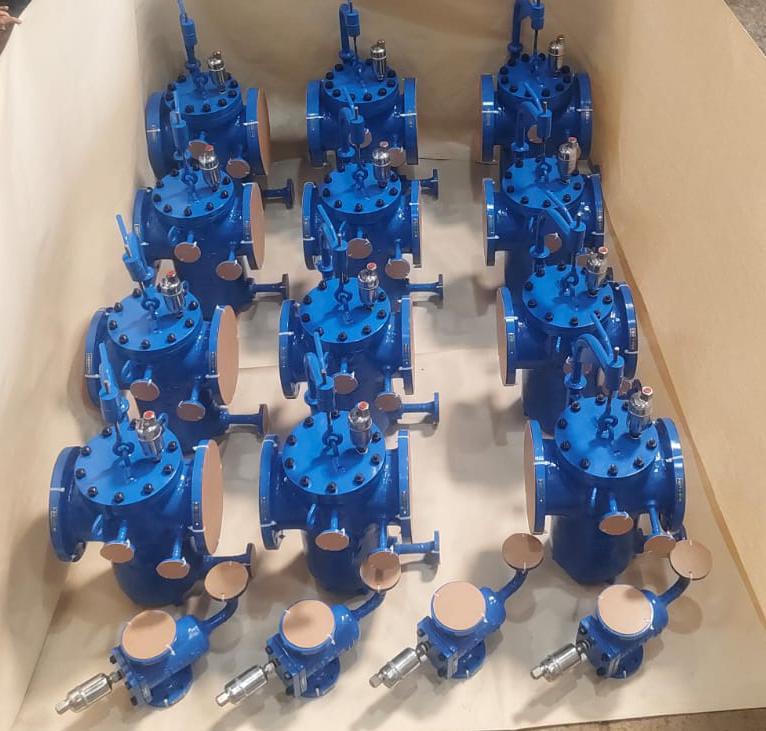
Filtration rating determines the size of particles removed. Typical applications include:
- Pump Suction Strainer: Coarser filtration to prevent cavitation and impeller damage
- Process Protection: Finer filtration to protect valves, meters, and control equipment
For pump suction strainers in high-pressure systems:
- Coarser perforations reduce pressure drop
- Larger open area improves flow stability
Selecting an unnecessarily fine mesh can increase clogging frequency and differential pressure.
6. Consider Installation Location: Pump Suction vs Pipeline
The location of the basket filter affects its design requirements. A pump suction strainer must:
- Offer low pressure drop
- Handle sudden flow changes
- Prevent debris from reaching the pump
These strainers often require larger baskets and reinforced construction.
Pipeline Installations
A pipeline basket strainer installed downstream must:
- Handle steady high-pressure flow
- Protect sensitive equipment
- Allow safe and easy basket removal
Understanding the installation point helps determine housing orientation, size, and access requirements.
7. Pressure Class and Flange Ratings
High-pressure basket strainers must match the pipeline’s pressure class.
Here are few things that you may need to check:
- Flange ratings (ANSI Class 150, 300, 600, etc.)
- Compatibility with existing piping
- Gasket and bolting specifications
A mismatch in pressure class can compromise system safety. This is even if the strainer itself is well designed.
8. Maintenance Access and Operational Safety
High-pressure systems demand careful maintenance planning.
When selecting an industrial basket filter strainer, the following must be considered:
- Quick-opening closures for safe access
- Adequate clearance for basket removal
- Vent and drain connections
Poorly designed maintenance access increases downtime and operator risk. This happens especially when dealing with pressurized systems.
9. Compliance With Industry Standards
High-pressure filtration systems should comply with recognized engineering standards. Look for basket strainers that are designed and manufactured to:
- ASME pressure vessel codes
- Applicable pipeline and safety standards
- Project or client-specific specifications
Compliance ensures reliability, traceability, and acceptance in critical industrial environments.
Mistakes to Avoid During Selection
- Common errors include:
- Undersizing the strainer
- Ignoring pressure surge conditions
- Choosing overly fine filtration
- Overlooking maintenance accessibility
Avoiding these mistakes significantly improves system reliability and reduces lifecycle costs. Selecting the right basket filter for high-pressure applications is not just about filtration, it is about protecting critical equipment, maintaining flow efficiency, and ensuring safe operation.
By carefully evaluating pressure ratings, materials, basket strength, and installation requirements, operators can choose basket strainers for pipelines that perform reliably even under extreme conditions. In demanding industrial environments, a well-selected stainless steel basket filter becomes a long-term asset rather than a recurring maintenance issue.
Common Questions About Basket Filters for High-Pressure Applications
Q 1. What type of basket strainer is best for high-pressure systems?
A heavy-duty industrial basket filter strainer with stainless-steel housing and reinforced basket is best for high-pressure applications.
Q 2. Can stainless steel basket filters handle high pressure?
Yes. Stainless steel basket filters are widely used in high-pressure filtration systems due to their strength and corrosion resistance.
Q 3. Are basket strainers suitable for pump suction lines?
Yes. Pump suction strainers protect pumps from debris and are commonly installed in high-pressure systems when correctly sized.