In industries such as power plants, manufacturing units, oil and gas facilities, fuel handling is a daily operation efficiency. This makes safety non-negotiable. Fuel must be transferred from transport vehicles like tankers or railcars into storage systems quickly, accurately and most importantly without any risk of contamination or spillage.
This is where fuel unloading skids come into play.
Designed as compact, pre-engineered systems, these units simplify the fuel transfer process while ensuring safety and operational reliability. Whether integrated into a large terminal or used in a standalone setup, a skid-mounted fuel system provides a structured and efficient approach to fuel handling.
This blog tells you what fuel unloading skids are, how they work, and why they are essential in modern industrial operations.
What Are Fuel Unloading Skids?
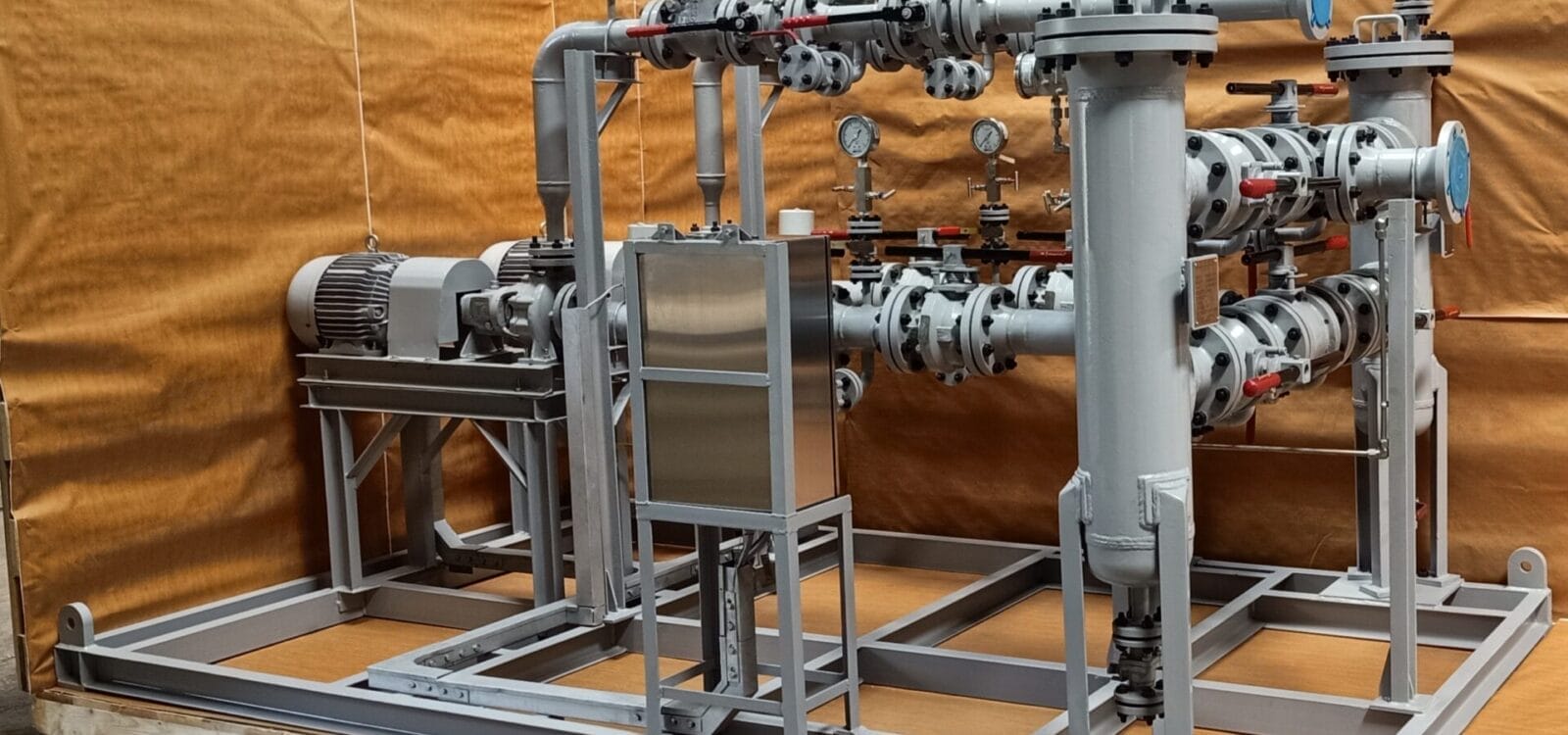
Fuel unloading skids are modular systems that are designed to transfer fuel from delivery sources such as tanker trucks, rail wagons, or barges and into storage tanks or processing units.
These skids are pre-assembled on a structural base, which includes all necessary components that are required for safe and efficient fuel transfer.
A typical skid-mounted system may include:
- Pumps
- Flow meters
- Valves
- Filters or strainers
- Piping and fittings
- Control panels
Because everything is mounted on a single frame, a skid-mounted fuel system can be installed quickly and requires minimal on-site assembly.
Why Are Fuel Unloading Skids Important?
Handling fuel manually or with loosely connected systems can lead to inefficiencies, safety risks, and contamination. Fuel unloading skids address these challenges by offering:
Controlled Fuel Transfer: Ensures consistent flow rates and accurate fuel delivery
Improved Safety: Reduces the risk of spills, leaks, and operator exposure
Faster Operations: Streamlines unloading processes, saving time during fuel transfer
System Integration: Easily connects with storage tanks and downstream systems
Key Components of a Fuel Unloading Skid
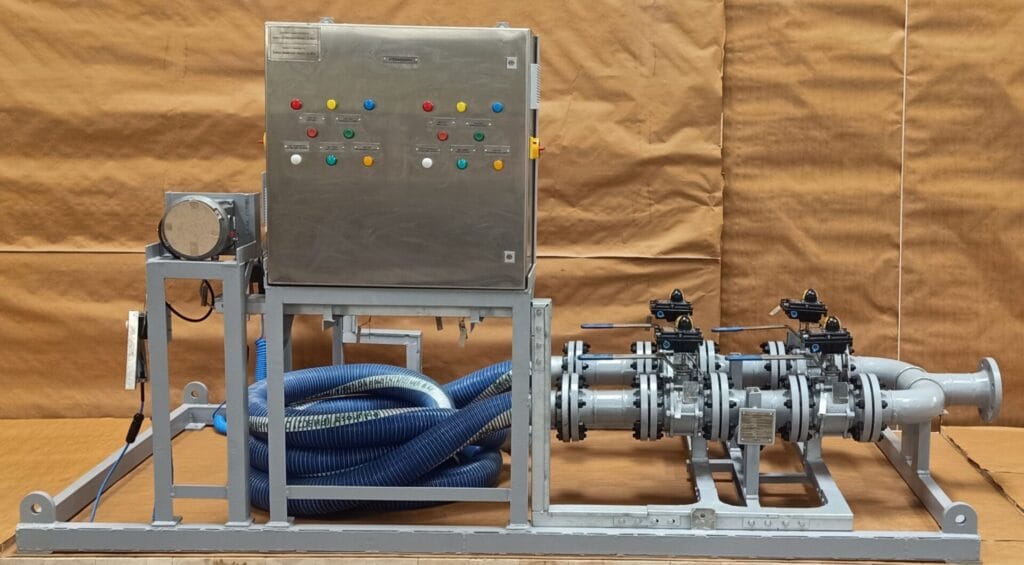
Understanding the components helps in visualizing how the system works.
1. Pumps: Pumps are the core of the system, responsible for moving fuel from the tanker to the storage tank.
Depending on the application, pumps may be:
- Centrifugal pumps
- Positive displacement pumps
2. Filtration Units: Filtration ensures that contaminants do not enter the storage system. These may include:
- Basket strainers
- Cartridge filters
3. Flow Meters: Flow meters measure the quantity of fuel being transferred. They help in:
- Monitoring fuel usage
- Ensuring accurate billing
- Detecting inconsistencies in flow
4. Valves and Piping: Valves control the direction and flow of fuel within the system. Common types include:
- Isolation valves
- Control valves
- Non-return valves
5. Control Panel: Modern fuel unloading skids include control panels that allow operators to:
- Start or stop pumps
- Monitor flow rates and pressure
- Detect system faults
How Do Fuel Unloading Skids Work?
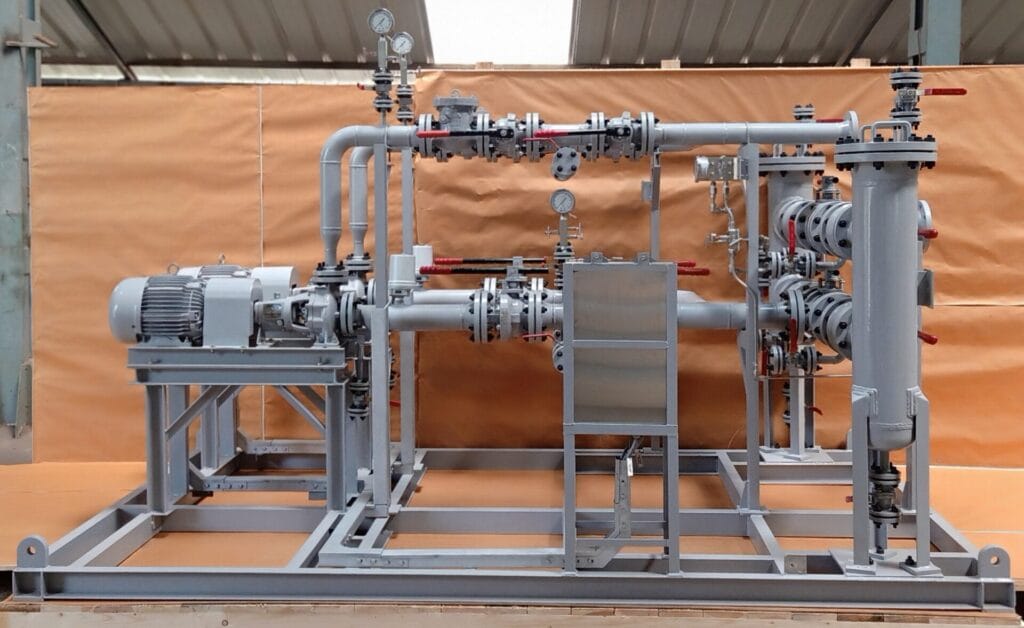
The operation of fuel unloading skids follows a systematic process.
Step 1: Connection to Fuel Source: The skid is connected to the fuel delivery vehicle using hoses or pipelines.
Step 2: Initial Filtration: Before entering the system, fuel may pass through a strainer or filter to remove large contaminants.
Step 3: Pumping Process: The pump draws fuel from the tanker and pushes it through the system toward the storage tank.
Step 4: Flow Measurement: As fuel moves through the skid, flow meters record the volume being transferred.
Step 5: Final Filtration and Transfer: Additional filtration may occur before the fuel enters the storage tank, ensuring high-quality fuel storage.
Step 6: System Monitoring: Operators monitor parameters such as:
- Flow rate
- Pressure
- Temperature
Types of Fuel Unloading Skids
Different applications require different skid configurations.
- Truck Unloading Skids: Used to transfer fuel from tanker trucks to storage tanks.
- Railcar Unloading Skids: Designed for high-volume fuel transfer from rail wagons.
- Marine Unloading Skids: Used in ports for transferring fuel from ships or barges.
- Multi-Fuel Skids: Capable of handling different types of fuels such as diesel, petrol, or heavy fuel oil.
Advantages of Skid-Mounted Fuel Systems
Skid-mounted systems offer several advantages over traditional setups.
Quick Installation: Pre-assembled units reduce on-site construction time
Compact Design: Space-efficient layouts make them suitable for constrained areas
Improved Safety: Integrated components reduce the risk of leaks and operational errors
Easy Maintenance: Components are accessible and arranged for convenient servicing
Scalability: Systems can be expanded or modified as operational needs change.
Applications of Fuel Unloading Skids
Fuel unloading skids are used across multiple industries.
Power Generation: Used to transfer fuel to storage tanks feeding generators or turbines
Oil and Gas: Essential for handling fuel at refineries, terminals, and processing plants
Manufacturing: Used in industries where fuel is required for heating or processing
Transportation Hubs: Airports, rail yards, and ports use these systems for efficient fuel handling
Safety Considerations
Fuel handling involves inherent risks, making safety a top priority. Modern fuel unloading skids include:
- Emergency shut-off systems
- Leak detection mechanisms
- Pressure relief devices
- Grounding systems to prevent static discharge
Maintenance Best Practices
To ensure long-term performance, regular maintenance is essential.
- Inspect pumps and valves regularly
- Clean or replace filters as needed
- Check for leaks or wear in piping
- Calibrate flow meters periodically
- Test safety systems
Frequently Asked Questions
Q 1. What are fuel unloading skids?
Fuel unloading skids are modular systems used to transfer fuel from delivery vehicles to storage tanks safely and efficiently.
Q 2. How does a skid-mounted fuel system work?
It uses pumps, filters, and control systems to move fuel from a source to a storage tank while monitoring flow and ensuring safety.
Q 3. Why are fuel unloading skids important?
They improve safety, reduce unloading time, and ensure accurate fuel transfer.
Q 4. What components are included in fuel unloading skids?
Typical components include pumps, filters, valves, flow meters, and control panels.
Q 5. Where are fuel unloading skids used?
They are used in power plants, oil and gas facilities, manufacturing units, and transportation hubs.