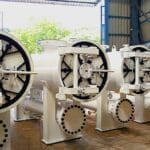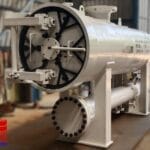
When you are dealing with a refinery or large industrial facility, you already know that fuel doesn’t simply arrive and flow effortlessly into storage tanks. Behind that smooth operation is a carefully engineered system. A system that is designed to handle fuel safely, efficiently, and accurately. This is where fuel unloading skids step in. Compact yet powerful, these systems are redefining how refineries manage fuel receipt from tankers, railcars, and bulk transport vehicles.
Let’s take a closer look at how diesel fuel unloading skids for industrial use and other skid-mounted solutions are transforming fuel handling across refineries and heavy industries.
What Are Fuel Unloading Skids?
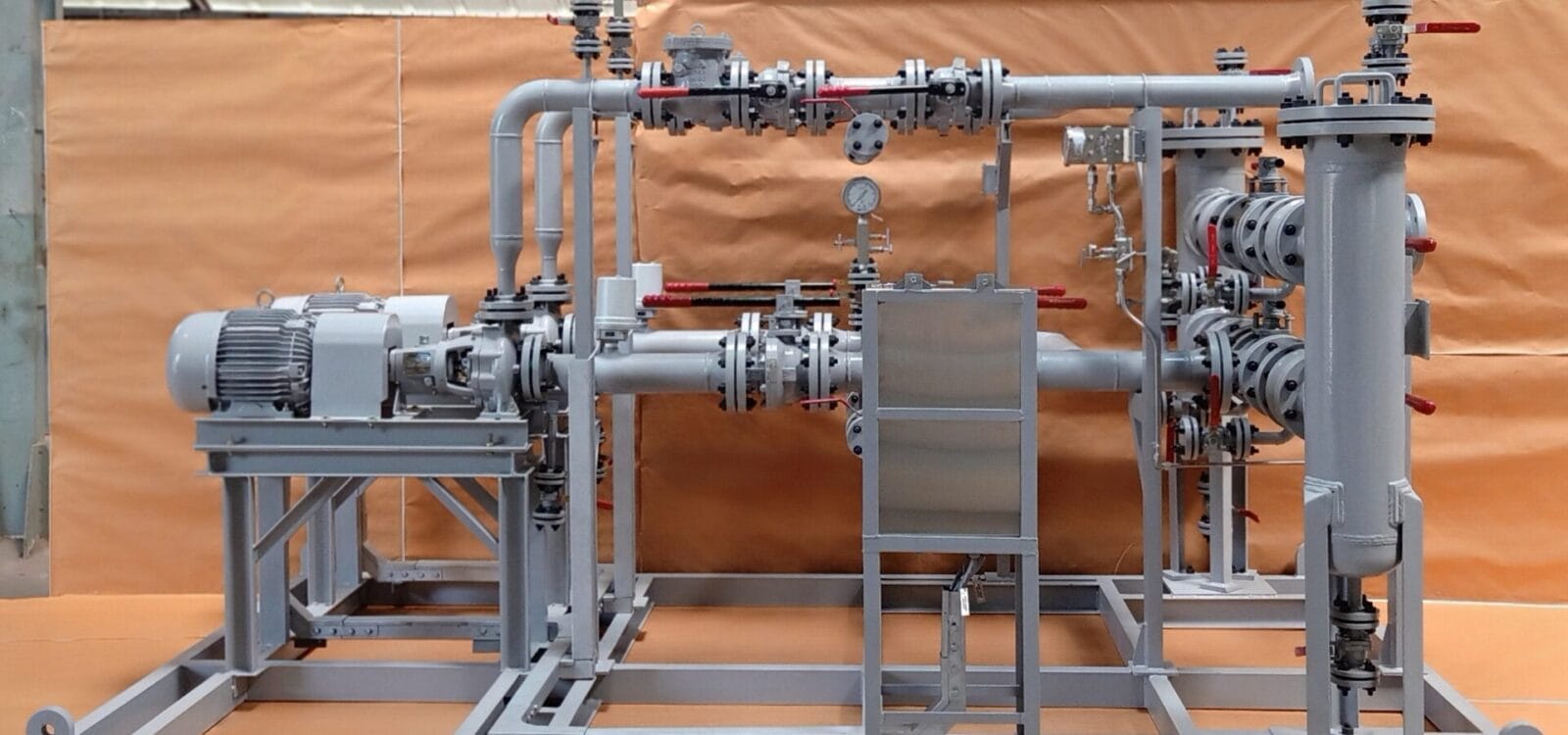
Fuel unloading skids are pre-engineered, skid-mounted assemblies that are designed to transfer fuel from delivery vehicles to storage tanks or process systems. Whatever is necessary, that is pumps, valves, strainers, meters, control panels, and safety devices is mounted on a single structural skid.
Because they arrive as a complete package, these systems significantly reduce on-site installation time. Instead of assembling individual components piece by piece, refineries can deploy a tested and ready-to-operate solution that integrates seamlessly into existing fuel infrastructure.
Why Refineries Prefer Skid-Mounted Fuel Systems
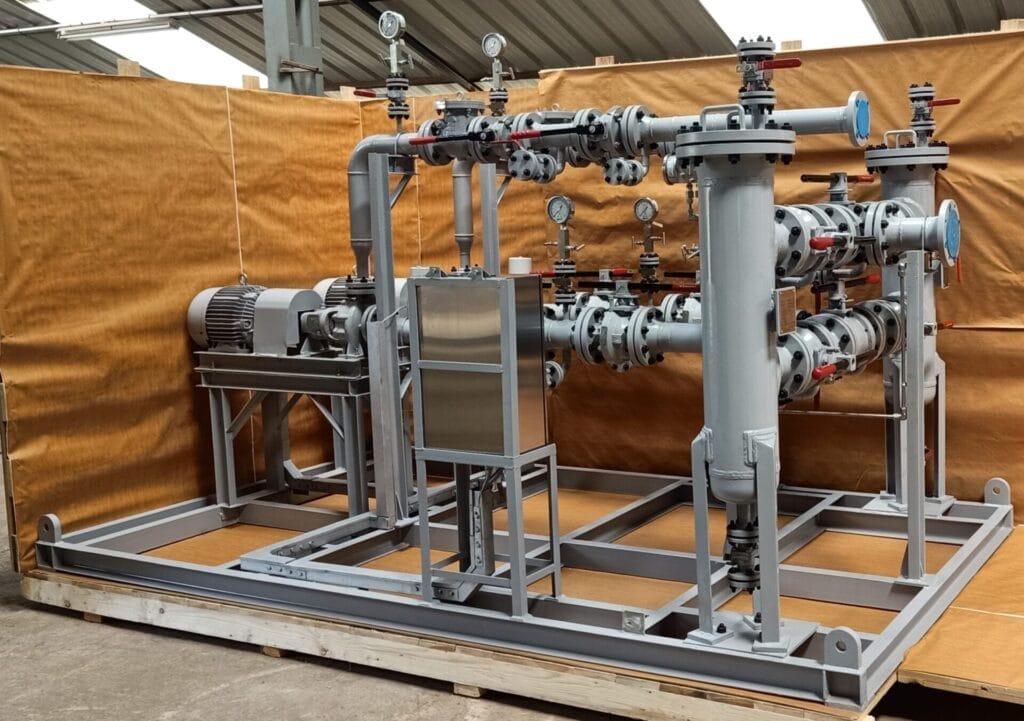
Refineries operate under strict safety, efficiency, and compliance requirements. Traditional fuel unloading setups, often built entirely on-site, can be time-consuming and prone to inconsistencies. Skid-mounted fuel transfer and unloading systems offer a smarter alternative.
They are designed for:
- Faster commissioning
- Minimal civil and piping work
- Predictable performance
- Easier quality control
By standardizing design and fabrication, skid-mounted systems help eliminate many of the variables that can disrupt refinery operations.
The Role of Fuel Unloading Skids in Refinery Operations
Fuel unloading skids play a critical role in handling diesel, furnace oil, kerosene, and other liquid fuels used for:
- Backup power generation
- Start-up burners
- Utility boilers
- Emergency systems
In refineries where fuel delivery schedules are tight and volumes are high, these skids ensure that unloading is carried out without delays, spills, or measurement errors.
Key Components That Make the System Work
While designs vary depending on capacity and application, most fuel unloading skids include the following core elements:
1. Transfer Pumps
High-efficiency pumps are selected based on fuel type, flow rate, and unloading distance. These pumps ensure steady flow while maintaining pressure stability during transfer.
2. Filtration and Straining Units
Fuel arriving from transport vehicles often carries contaminants. Integrated strainers or filters protect pumps, meters, and downstream equipment from debris and particulates.
3. Valves and Manifolds
Manual or automated valves allow operators to control flow direction, isolate equipment, and perform maintenance safely. Manifold arrangements simplify connections to multiple tanks.
4. Instrumentation and Controls
Pressure gauges, flow indicators, and safety interlocks provide operators with real-time system visibility. Control panels can be manual, semi-automatic, or fully automated.
Fuel Unloading Skids with Metering Capabilities: Why Accuracy Matters
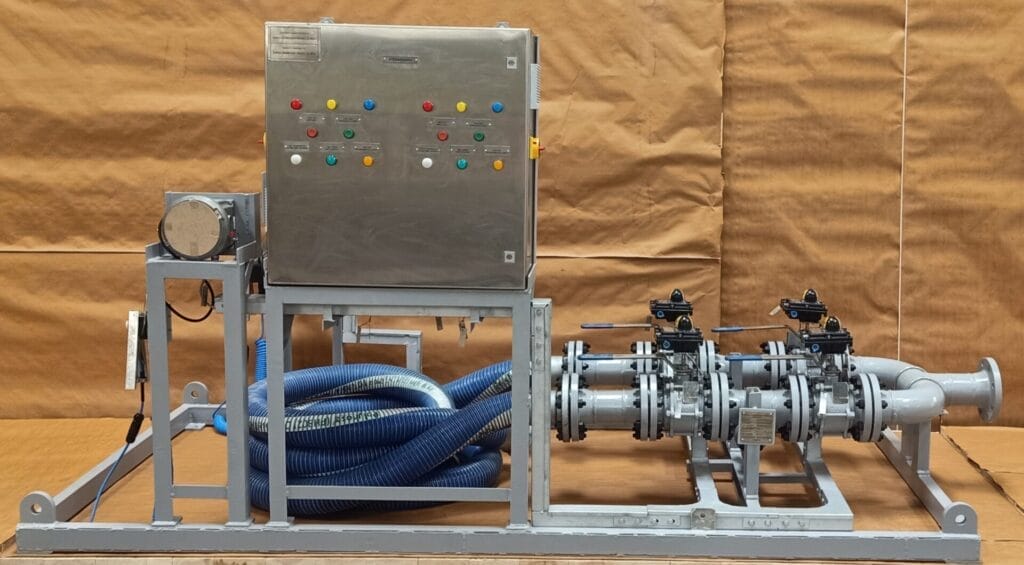
One of the most valuable upgrades in modern systems is fuel unloading skids with metering capabilities. Accurate metering is no longer a luxury; it’s a necessity.
Precise Measurement
Flow meters measure exactly how much fuel is unloaded from each tanker. This data helps reconcile supplier invoices, detect losses, and maintain transparent records.
Operational Accountability
Metering systems ensure that every litre is accounted for, reducing disputes and improving internal fuel management practices.
Compliance and Reporting
Refineries often need detailed fuel consumption data for audits, regulatory compliance, and internal performance tracking. Metered unloading makes this process seamless.
Diesel Fuel Unloading Skids for Industrial Use
Diesel remains one of the most widely used fuels in refineries, especially for backup generators and emergency systems. Diesel fuel unloading skids for industrial use are engineered to handle high volumes while maintaining safety and cleanliness.
These skids are typically designed with:
- Explosion-proof motors
- Anti-static grounding provisions
- Leak-proof connections
- Flameproof instrumentation
Their robust construction allows them to operate reliably in harsh refinery environments, including high temperatures and corrosive atmospheres.
Safety Built into Every Layer
Fuel handling is inherently hazardous, which is why safety is at the core of skid design. Modern fuel unloading skids incorporate multiple protective features such as:
- Emergency shut-off valves
- Pressure relief devices
- Spill containment trays
- Earthing and bonding systems
These features reduce the risk of fires, leaks, and environmental contamination, helping refineries meet stringent safety standards.
Customization for Different Refinery Needs
No two refineries operate the same way. One of the biggest advantages of skid-mounted fuel transfer and unloading systems is their flexibility in design.
Skids can be customized based on:
- Fuel type and viscosity
- Required flow rates
- Metering accuracy class
- Space constraints
- Automation level
Whether the application involves occasional unloading or continuous daily operations, the system can be tailored to match specific process demands.
Ease of Installation and Maintenance
Because fuel unloading skids are fabricated and tested off-site, installation is remarkably straightforward. Once positioned, they typically require only:
- Inlet and outlet piping connections
- Electrical and instrumentation hook-ups
Maintenance is also simplified. With all components mounted on a single skid, technicians can access equipment easily, reducing downtime and maintenance costs.
Long-Term Cost Benefits
At first glance, skid-mounted systems may appear more expensive than basic on-site assemblies. However, when evaluated over the system’s lifecycle, the benefits become clear.
Refineries can save on:
- Engineering and design time
- Installation labour
- Commissioning delays
- Operational inefficiencies
Accurate metering further prevents fuel losses, ensuring that the system pays for itself over time.
Supporting Sustainability and Efficiency Goals
Modern refineries are under pressure to improve efficiency and reduce waste. Fuel unloading skids support these goals by:
- Minimizing spills and leaks
- Improving fuel accountability
- Reducing energy losses during transfer
With precise control and monitoring, operators can optimize unloading operations while maintaining environmental responsibility.
Fuel unloading may seem like a small part of refinery operations, but its impact is far-reaching. Well-designed fuel unloading skids with metering capabilities ensure that fuel transfer is safe, efficient, and transparent from the moment it arrives on-site.
For refineries looking to modernize their fuel handling infrastructure, diesel fuel unloading skids for industrial use and other skid-mounted solutions offer a proven, future-ready approach. Compact, reliable, and engineered for performance, these systems quietly support some of the most critical processes in industrial operations.
When fuel flows smoothly, accurately, and safely—everything else follows.